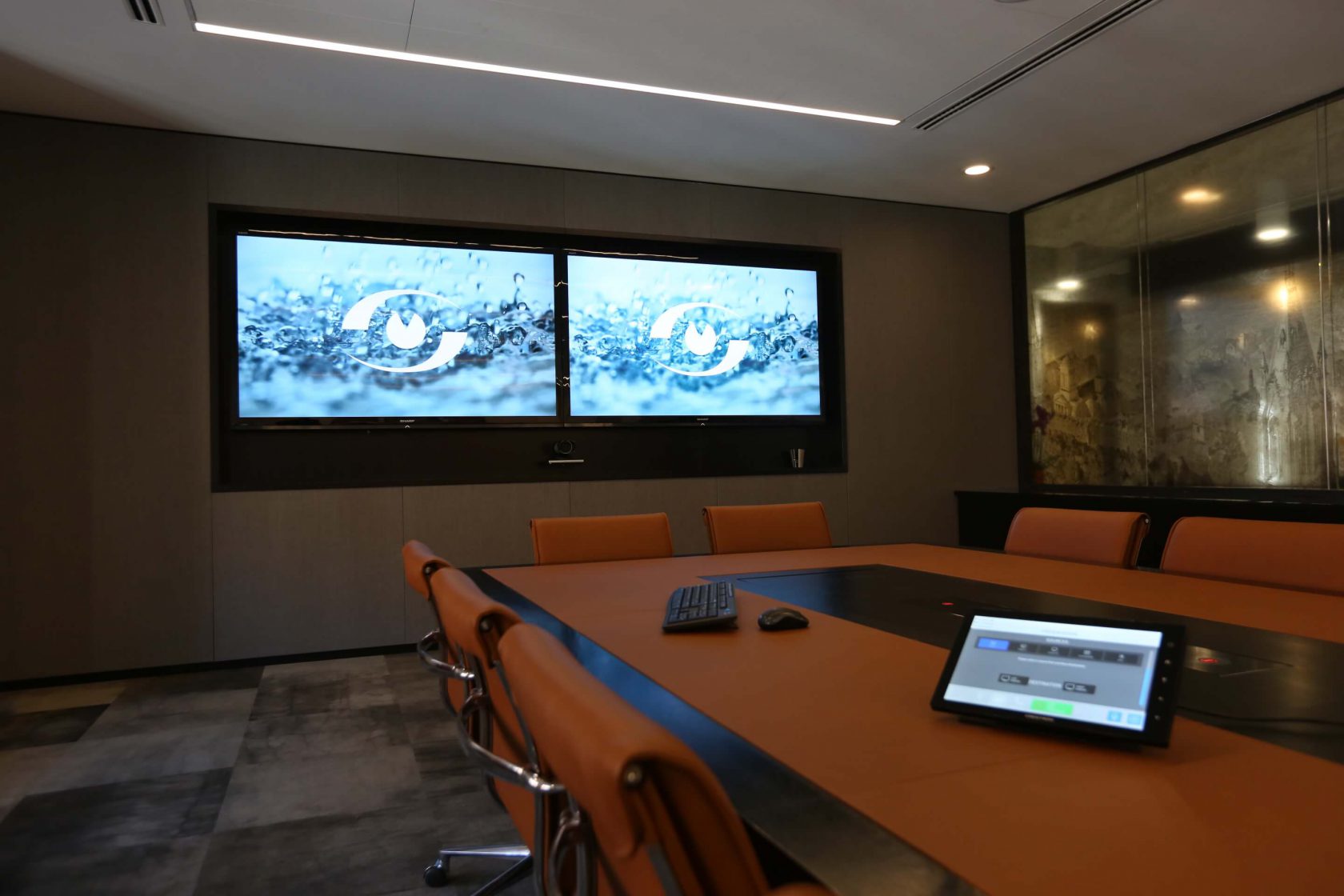
3. Benefits of Renting Conference Equipment

A. Cost Savings for Short-Term Events
Renting conference equipment is a more affordable solution for short-term events such as single-day conferences, workshops, or seminars. Purchasing equipment can be a costly investment, especially for items that may only be used occasionally. Renting allows event organizers to significantly reduce costs while still using high-quality equipment tailored to the event’s needs.
B. Access to the Latest Technology Without Heavy Investment
Technology is constantly evolving, and keeping up with the latest conference tools can be expensive. Renting allows you to access the newest and most advanced equipment—such as state-of-the-art sound systems, HD projectors, or wireless video conferencing tools—without the financial burden of purchasing and maintaining them. This ensures your event remains modern and professional.
C. Flexibility to Scale Equipment Based on Event Size
Every event is unique, and renting conference equipment provides the flexibility to scale your needs according to the size of the audience and venue. Whether you're hosting a small board meeting or a large-scale international conference, rental services allow you to customize the quantity and type of equipment required. You can easily add or reduce items based on the size and scope of the event.
D. Professional Setup and Technical Support Included
Most conference equipment rental companies offer professional setup services, ensuring all equipment is installed and tested properly before the event begins. Additionally, many providers include on-site technical support, which is essential for addressing any issues that may arise during the event. This gives event organizers peace of mind, knowing they have expert assistance available to ensure everything runs smoothly from start to finish.
Renting conference equipment offers numerous advantages, making it an efficient and cost-effective solution for ensuring a successful event, regardless of its size or complexity.
 \
\8. Common Mistakes to Avoid When Renting Conference Equipment
A. Failing to Book in Advance
One of the most common mistakes event organizers make is waiting too long to book conference equipment. Popular rental companies may have limited availability, especially during peak event seasons. Failing to book in advance can result in inadequate equipment or higher prices. To avoid this mistake, start the rental process as early as possible, ideally as soon as the event date is confirmed. This allows ample time to explore options, negotiate rates, and secure the best equipment for your needs.
B. Overlooking Technical Support
Many organizers underestimate the importance of having technical support during the event. While renting equipment may seem straightforward, technical issues can arise, and having a professional on-site can be crucial for troubleshooting and ensuring everything runs smoothly. When renting equipment, inquire about the availability of technical support and on-site assistance. This can include setup help, testing equipment, and addressing any problems that may occur during the event. Ensuring you have access to qualified technicians will help create a more seamless experience.
C. Not Checking Venue Compatibility
Another common mistake is failing to check whether the rented equipment is compatible with the venue’s infrastructure. Each venue has different layouts, power supplies, and audiovisual capabilities. Before finalizing your equipment rental, it’s essential to visit the venue (if possible) and assess its compatibility with your selected equipment. Discuss with the rental company about any venue-specific requirements, such as power outlets, sound systems, or space constraints. This helps avoid last-minute complications on the day of the event.
D. Underestimating the Required Quantity of Equipment
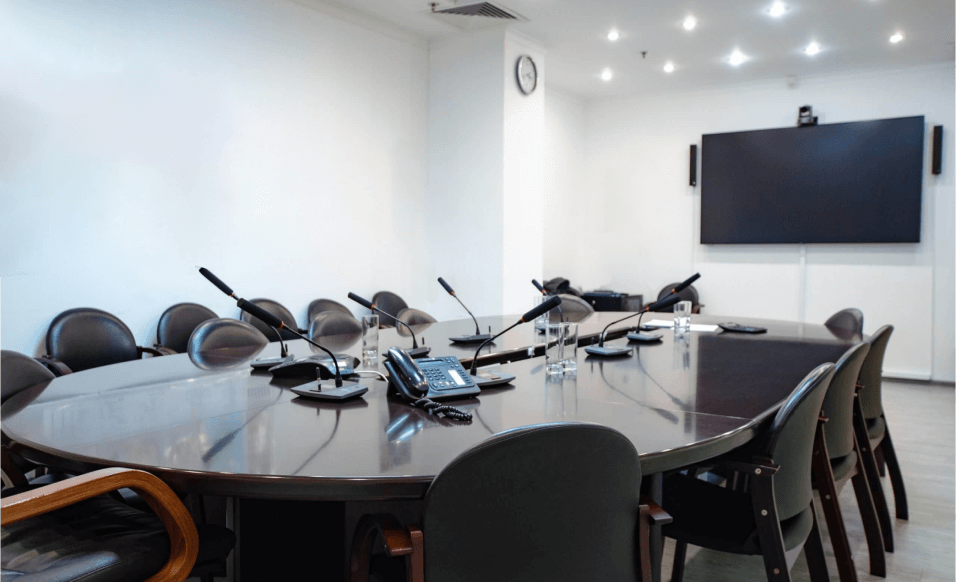
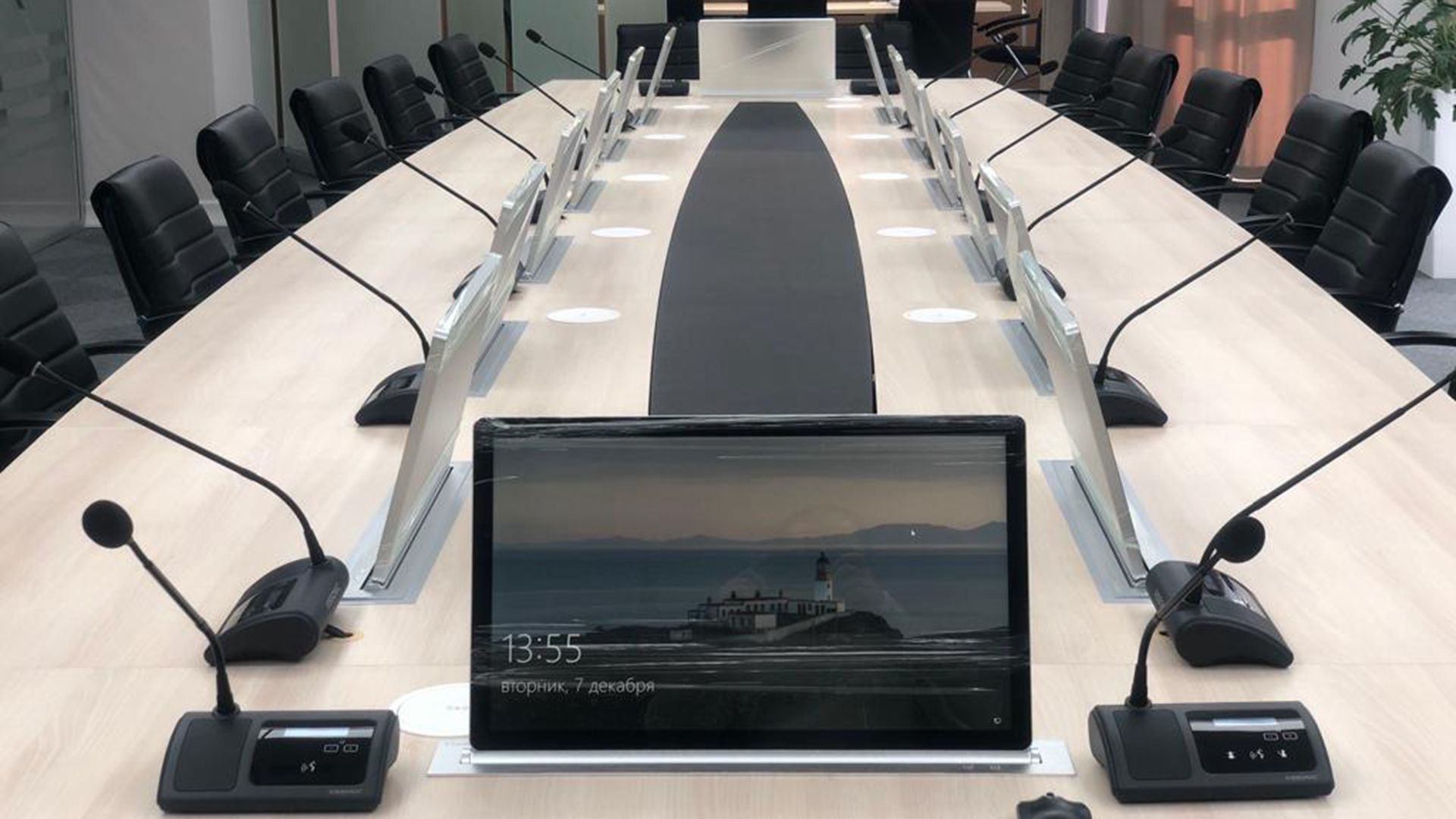
Many organizers miscalculate the amount of equipment needed for their event. Underestimating the required quantity can lead to insufficient resources, impacting the overall experience for attendees. For example, not having enough microphones or speakers can lead to audio issues, while a lack of projectors or screens can hinder presentations. To avoid this mistake, carefully assess the size of your audience, the layout of the venue, and the type of event you are hosting. Consult with the rental company for their recommendations on the appropriate quantity of equipment based on your specific needs.
By being aware of these common mistakes and taking proactive steps to avoid them, you can ensure a smoother rental process and a more successful conference. Proper planning and communication with rental companies will lead to a well-organized event that meets your audience's needs.
9. FAQs About Conference Equipment Rental in Kenya

There is a wide variety of conference equipment available for rental, including:
- Audio-Visual Equipment: Microphones, speakers, projectors, and screens.
- Simultaneous Interpretation Systems: For multilingual events requiring real-time translation.
- Video Conferencing Tools: Cameras, microphones, and software for virtual meetings.
- Presentation Equipment: Laptops, tablets, clickers, and laser pointers.
- Lighting and Stage Setup: Spotlights, podiums, and backdrops to enhance the event's visual appeal.
B. How far in advance should I book conference equipment rental?
It is advisable to book conference equipment rental at least 4 to 6 weeks in advance of your event. This allows sufficient time to secure the necessary equipment, especially during peak event seasons. Early booking also provides flexibility in choosing equipment options and negotiating better rates with rental companies.
C. Do rental companies provide technical support during conference equipment rental?
Yes, many rental companies offer technical support and on-site assistance during conference equipment rental. This support can include setup, testing of equipment, and troubleshooting any issues that may arise. It’s important to discuss technical support options with the rental company during the booking process to ensure you have the help you need on the day of your event.
D. Can I customize my conference equipment rental package based on my event's needs?
Absolutely! Most rental companies allow you to customize your conference equipment rental package based on your specific event requirements. You can adjust the quantity and types of equipment to suit your needs, ensuring you only pay for what you require. Additionally, you can often include extra services, such as technical support or additional equipment, based on your event size and goals.
10. Conclusion
A. Recap of the Benefits of Renting Conference Equipment
Renting conference equipment offers numerous advantages for event organizers, including significant cost savings, access to the latest technology without the burden of ownership, and the flexibility to tailor equipment to specific event needs. By opting for rental services, organizers can focus on delivering a seamless experience for attendees while ensuring that all technical aspects are handled professionally.
B. Encouraging Event Organizers to Choose the Right Provider
Selecting the right rental provider is crucial for the success of your event. With various companies offering diverse equipment and services, it’s important to conduct thorough research and evaluate each provider’s offerings, reputation, and customer support. By choosing a reliable rental company, you can ensure that your event is equipped with high-quality tools and supported by knowledgeable professionals.
C. Contact Top Rental Companies for Quotes and Consultations
If you're planning a conference or event, don’t hesitate to reach out to top rental companies for quotes and consultations. Engaging with these professionals early in the planning process will help you secure the best equipment and services tailored to your event’s specific requirements. Contacting providers such as Tiseh Events, Reisen Event Planners, Events Tiseh, and Kenya Conference Solutions will set you on the path to hosting a successful and memorable event.