
Tiseh is a professional service provider of simultaneous interpretation equipment, we have a team of experienced and qualified interpreters who can provide interpretation services in various languages.
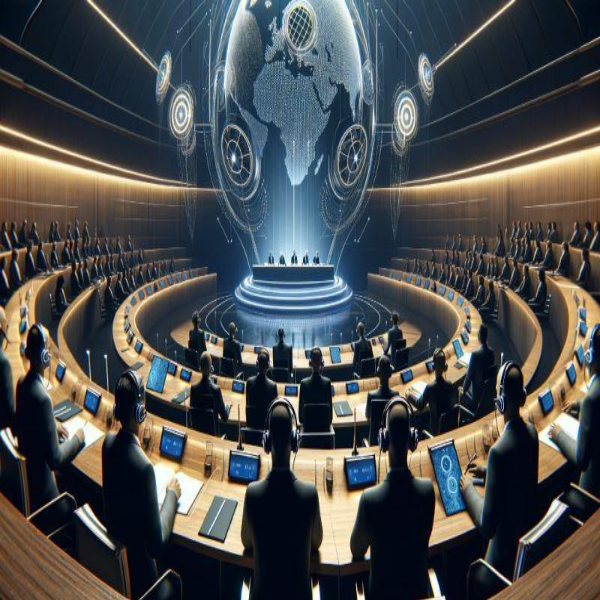
In today’s globalized world, events attract attendees from diverse linguistic backgrounds. Communication plays a crucial role, irrespective of whether it is a business conference, seminar, or international business event. This necessity led to the need to make use of what is known as ‘consecutive interpretation. This service allows the participants to listen/dumb the speakers in the language they understand at that particular time. However, conventional interpreting approaches have associated issues, such as delay, lack of precision, and availability of limited language translation. Contrarily, great improvements, especially in simultaneous interpreting equipment, making multi-language interpreting useful and efficient at such occasions.
Evolution of Simultaneous Interpretation Equipment: Evolution of Simultaneous Interpretation Equipment
As with any technology, the development of simultaneous interpretation equipment such as interpretation booths has also had its own developments. In the beginning, interpreters had only mechanical approaches, including whispering or consecutive interpretation, which were unproductive and included many mistakes. This introduced better forms of analog systems in communication technology. But again, it encountered some drawbacks in the area of communicational range and sound quality.
The advanced phase that coincided with digitalization brought huge reforms. New digital simultaneous interpretation (DSI) systems appeared on the market and provided such advantages for the interpreters as eliminating the echo effect, improving the sound quality, and interpreting more than one language simultaneously. These systems included individual wireless headsets for participants and consoles for interpreters, which are connected to a central matrix. Though it represented a large advancement in the field of DSI systems, there were also certain drawbacks, such as low mobility and sensitivity to signal interference.
Modern and enhanced methods of simultaneous interpretation include the use of the latest digital systems. Including the use of infrared, RF, or Wi-Fi. These systems include increased functionality like easy compatibility with video conferencing equipment, improved reception quality, and additional languages. Further, they create more versatility, interpreters can work from other distances or even booths. thus providing more accuracy and comfort.
Key Features and Benefits:
- Enhanced Audio Quality: Advanced systems deliver crystal-clear sound, eliminating distortions and ensuring every word is conveyed accurately. High-fidelity audio enhances comprehension, creating a seamless experience for attendees.
- Multilingual Support: Modern interpretation equipment accommodates a wide array of languages, catering to the diverse needs of global audiences. From commonly spoken languages to rare dialects, event organizers can offer interpretation in virtually any language, promoting inclusivity and accessibility.
- Real-Time Connectivity: Seamless integration with audiovisual setups enables real-time interpretation without delays or disruptions. Attendees can switch between languages effortlessly, ensuring they never miss crucial information or insights.
- Mobility and Flexibility: Wireless components empower interpreters and participants to move freely throughout the event space without compromising communication quality. Whether delivering a keynote address on stage or engaging in networking sessions, individuals can access interpretation services wherever they go.
- Remote Interpretation Capabilities: Internet connectivity has facilitated remote interpretation, allowing interpreters to work from anywhere in the world. This helps eliminate logistical issues but also allows the given events to receive a vast range of highly qualified interpreters.
Maximizing Event Impact:
1. Global Conferences and Summits: These events occur internationally and involve stakeholders such as academics, policymakers, and scholars.
2. Business Seminars and Workshops: With businesses globally integrating today, organizations hold seminars and workshops to present ideas, plans, and practices. Multilingual interpretation services make it easier for organizations to reach a wider market, resulting in increased clientele and a general organizational image that is in tune with global market realities.
3. Cultural and Academic Events: Cultural festivals, academic symposiums, and art exhibitions serve as platforms for celebrating diversity and fostering cultural exchange. Utilizing advanced interpretation equipment ensures that attendees from different linguistic backgrounds can fully immerse themselves in the experience, promoting cross-cultural understanding and appreciation.
4. Government and Diplomatic Gatherings: Diplomatic summits, policy forums, and government meetings require precise communication to address complex geopolitical issues. Through cooperation with modern-day interpreting services, politicians can overcome language cognition and develop sound policies, as well as healthy diplomatic interaction.
5. Medical and Scientific Conventions: Few industries value knowledge sharing more than medicine and science, where dissemination of new research, medical discoveries, and new treatments is vital for the growth of knowledge and, hence, for the benefit of patients. Sophisticated interpretation facilities provide unprecedented interaction opportunities for healthcare gurus, analysts, and individuals engaged in research all over the world, boosting the speed of discovering new ideas and enhancing crucial market segments.